
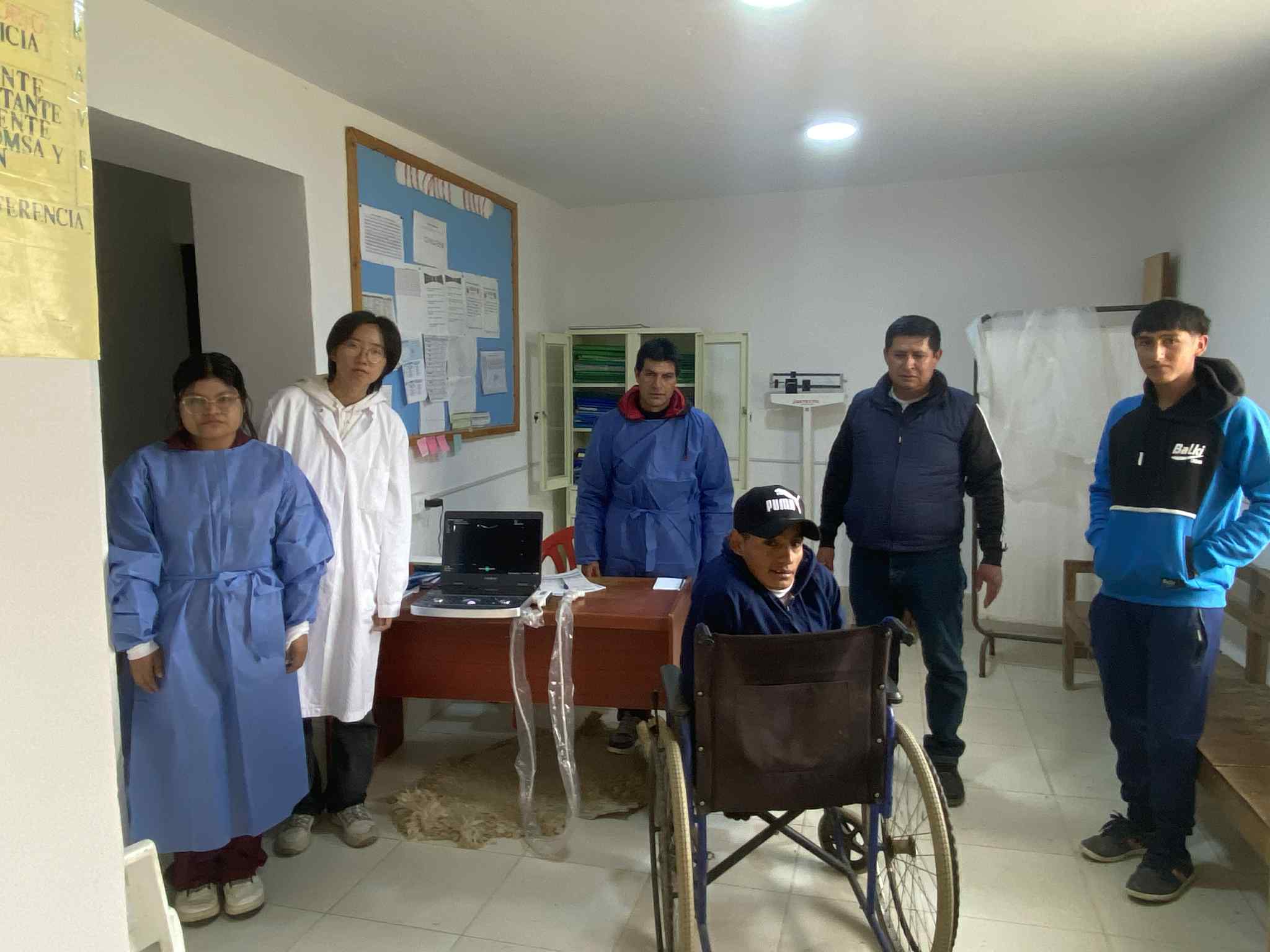
Report on the Voluntary Medical Examination Campaign in Pomabamba Province
Date: August 15–26, 2025
Location: Pomabamba Province, Ancash Region, Peru (villages located at 3,200–3,800 m above sea level)
Organizer: Miraculum Dei Foundation (www.miraculumdei.org ; Fb: Miraculum Dei ; TikTok: mide20243 ; Insta: miraculum_dei)
Supported by: Shenzhen Mindray Bio-Medical Electronics Co., Ltd., Lima Branch
- Introduction of the Foundation
The Miraculum Dei Foundation is an international non-governmental organization whose main fields of activity include:
- Providing medical, educational, and social assistance in the world’s poorest regions;
- Protection of women suffering from domestic violence;
- Caring for abandoned infants with severe illnesses.
- Objective of the Mission
The Peruvian highlands are remote areas with extremely limited medical resources, especially in women’s health and maternal care. Due to poor transportation, local residents have very limited access to systematic medical examinations and prenatal check-ups.
The purpose of this mission was to provide health screenings to residents of the extremely poor villages of Pomabamba Province and to assess the deficiencies of the local healthcare system.
Mindray supported the mission by providing a portable MX7 color ultrasound system.
-
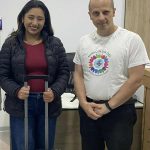
- Report on the Voluntary Medical Examination
-
- Report on the Voluntary Medical Examination
-
- Report on the Voluntary Medical Examination
-
- Report on the Voluntary Medical Examination
-
- Report on the Voluntary Medical Examination
- Methods and Implementation
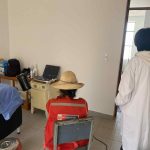
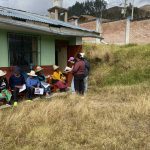
- Examinations performed: routine gynecological/obstetric check-ups, ultrasound examinations, health education and guidance
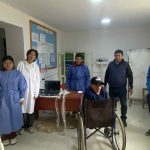
- Participants: volunteers from the Miraculum Dei Foundation and local healthcare personnel
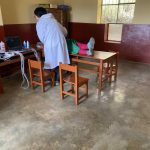
- Venues: village health posts and individual households
- Results of the Mission
A total of 176 patients underwent ultrasound examinations.
Number of patients by village:
- Piscos: 44
- Parobamba: 50
- Quinuabamba: 40
- Yamyan: 12
- Cajapanka: 8
- Nunumia: 5
- Chogo: 17
Total: 176
Main health problems identified:
- Gynecological diseases: infectious diseases (vaginitis, pelvic inflammatory disease), cervical disorders (cervical erosion, cervical cancer screening), uterine diseases (fibroids, endometrial hyperplasia, functional uterine bleeding), ovarian disorders (ovarian cysts, polycystic ovary syndrome)
- Obstetric diseases: maternal (gestational hypertension, gestational diabetes), fetal (malpresentation, amniotic fluid disorders)
- Observations and Needs
- The surveyed villages are officially classified by the Peruvian government as “extreme poverty zones.”
- Medical facilities are extremely scarce, with almost no equipment available.
- Many patients cannot travel to Lima to access advanced healthcare services.
- There is no adequate emergency system: in cases of high-risk pregnancies or severe illnesses, patients must be transferred by ambulance to urban hospitals. Due to long distances and poor road conditions, ambulance transport often takes several hours, significantly increasing the risk of maternal and neonatal complications and mortality.
Most urgent needs include:
- Basic diagnostic equipment: ultrasound machines, fetal monitors/Doppler devices, blood pressure monitors, glucometers
- Laboratory diagnostic equipment: blood tests, urine tests, infectious disease tests
- Essential medical supplies
- Outcomes and Acknowledgements
Thanks to the support of Mindray, many patients in remote areas received timely examinations.
This mission not only provided direct assistance but also highlighted the most pressing healthcare needs.
The Miraculum Dei Foundation extends its sincere gratitude to Shenzhen Mindray and its Lima Branch, and looks forward to establishing further cooperation in the future.
Lima, August 31, 2025
Husztig Robert
Founder
Miraculum Dei Foundation
No Comments